
Music Production Workshop
This course is specially designed to introduce you to the science behind the magic of music production. Music plays a huge part in peoples lives, not least benefitting mental health and it influences transitions nations, races, religions and cultures across the globe. Music is also a critical source across many industries, such as marketing, advertising and film. So having a knowledge of music production, whether it is for business or pleasure brings a wealth of benefits.
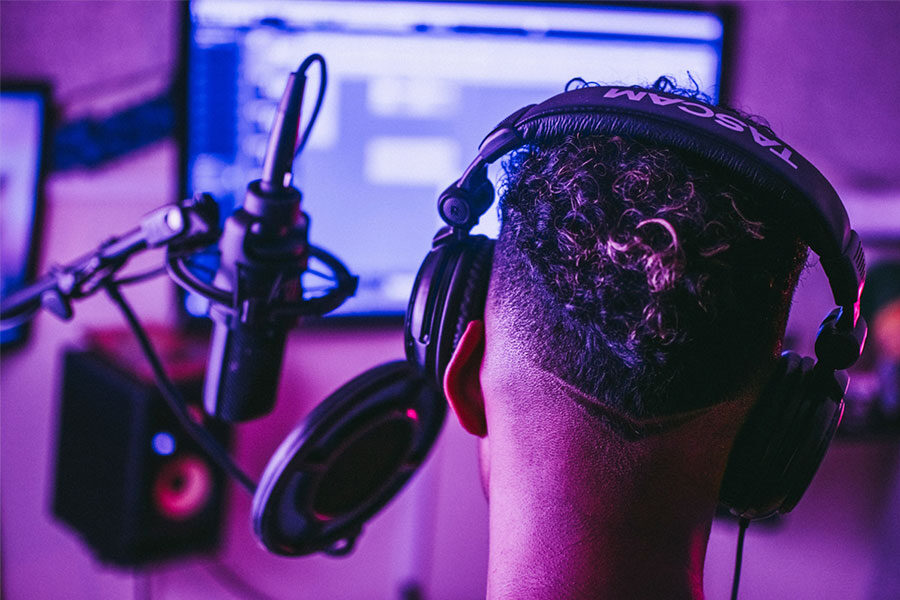
During the workshop you’ll learn all of the basics behind music production. For example, the first steps of working a studio and understanding how all the studio equipment works; like “definition” and “routing”.
You will also be shown and learn how to import and export audio. During the workshop you will have a test recording session at the ReturnMK studio in Milton Keynes. If music has always been your passion, perhaps this could be a career avenue for you? To be successful in the music industry you need to have a strong knowledge of music production, thirst to learn and dedication to make it a success.
Music is embedded in the UK’s culture, from acts such as Calvin Harris, Amy Winehouse to the Prodigy; it’s all forms of music production. You can be part of this!
- Workshop Duration: 12 weeks
- First steps in a studio.
- Understanding the equipment – definition/routing.
- Importing and exporting audio.
- Basic music software.
- Test-session recording music technology in ReturnMK studio (Milton Keynes).
What Our Learners Say
"I am going
somewhere now..."
Lorem ipsum dolor sit amet, consectetur adipiscing elit. Ut elit tellus, luctus nec ullamcorper mattis, pulvinar dapibus leo. Lorem ipsum dolor sit amet, consectetur adipiscing elit. Ut elit tellus, luctus nec
ullamcorper mattis, pulvinar dapibus leo. Lorem ipsum dolor sit amet, consectetur adipiscing elit. Ut elit tellus, luctus nec ullamcorper mattis, pulvinar dapibus leo.
Tim, DJ Workshop
Related Workshops

Have you ever wondered how a DJ actually DJ’s when they are on a set? How do they choose their records, make the transition between songs, and why? Maybe you have some knowledge of beat-matching, for example, and you’re now interested in mixing in key; and want to advance your skills. Or, perhaps this is all alien and you want to learn from scratch because you love music and have always wanted to learn how to DJ?